Powders!! Guide to Creatine, Collagen & Protein Powders

Supporting Brain Health, Muscle, Recovery, Skin, Joints & Healthy Weight Success
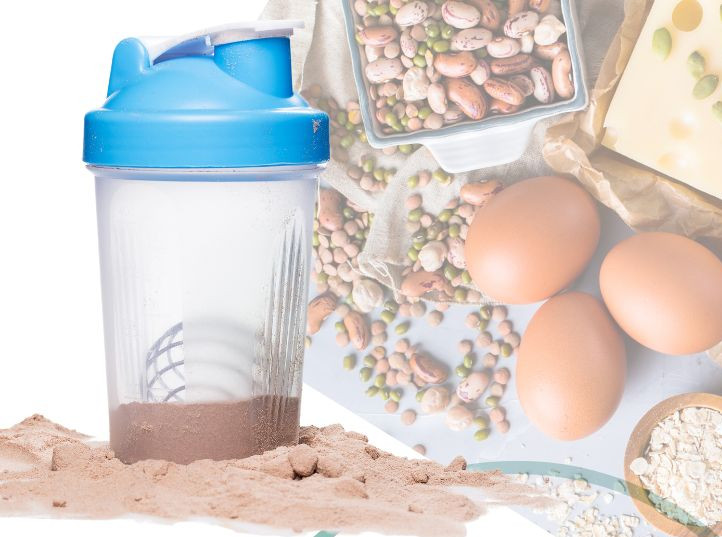
At Stronger Wellness & Nutrition, we often get asked whether supplements such as creatine, collagen, and protein powders are worth taking. Research suggests they can have a place in a well-rounded nutrition plan for supporting muscle health, exercise performance, recovery, protein intake, healthy aging, skin health, joint health, and healthy weight management.
The key is knowing which supplements are actually useful for your individual needs—and which may simply be unnecessary when your nutrition is already adequate.
⸻
Creatine Powder
What is creatine?
Creatine is best known for supporting muscle energy. It increases the availability of phosphocreatine, which helps your muscles rapidlyregenerate ATP—the body’s primary cellular energy source—during high-intensity activity. Your brain also uses creatine to helpproduce ATP.
Muscle, strength & performance
Creatine is one of the most studied performance supplements. Potential benefits include increased strength, improved training capacity, support for lean muscle mass, improved high-intensity exercise performance, and support for muscle maintenance during aging.
Brain health & mental performance
Research suggests creatine may have cognitive benefits in certain situations, particularly when the brain is under increased demand such as sleep deprivation, mental fatigue, or stress. However, research is still developing and taking into consideration the root cause for cognitive decline will be important to discuss with your health care provider for targeted treatment.
Supporting fat loss & healthy weight
Creatine does not directly burn body fat. Instead, it can support strength, training capacity, and lean muscle mass. Maintaining or building muscle while losing body fat is important because muscle supports metabolic health, physical function, and long-term strength. It's normal for the scale to increase slightly when beginning creatine because creatine increases water stored within muscle cells.
Who may benefit?
Creatine can be especially valuable for adults who are trying to maintain or build muscle as they age, particularly when combined with along with cognitive and possible mental health benefits.
What type?
Creatine monohydrate is the form with the strongest evidence. You do not need an expensive “special” form of creatine to get the
Collagen Powder
What is collagen?
Collagen is the primary structural protein found throughout the body, including the skin, tendons, ligaments, cartilage, and bones.
Skin benefits
Research on oral hydrolyzed collagen peptides has found potential improvements in skin hydration, skin elasticity, skin firmness, appearance of fine lines and wrinkles, and overall skin quality. Several systematic reviews and meta-analyses have found improvements in skin hydration and elasticity with collagen supplementation, although study quality and results vary.
What type of collagen is best?
For general skin support, look for hydrolyzed collagen peptides. These are collagen proteins that have been broken down into smaller peptides for easier mixing and digestion. Products commonly use Type I and/or Type III collagen, which are abundant in skin and connective tissue.
What about joints?
Collagen may also support joint comfort and function. Research has found potential improvements in joint pain and function, particularly in people with knee osteoarthritis. For general connective-tissue support, hydrolyzed collagen peptides are a practical choice.
An added benefit: convenience
Collagen peptides are often very easy to keep on hand. They typically mix more easily than whey or pea protein, making them convenient to add to coffee, smoothies, yogurt, oatmeal, water, shakes, and other foods and beverages. They can be a convenient option when you want to increase collagen intake without preparing another full protein shake.
Protein Powder
Protein & muscle preservation
Protein is the foundation of muscle maintenance and recovery. As we age, maintaining adequate protein becomes increasingly important because the body can become less responsive to smaller amounts of protein. For active adults, particularly those participating in resistance training, a practical target is often approximately 1.2–1.7 grams of protein per kilogram of body weight per day. Individual needs vary based on age, body composition, activity level, health status, calorie intake, and goals. Rather than consuming most of your protein at one meal, consider distributing it throughout the day.
A simple goal:
25–40 grams of high-quality protein per meal, depending on your individual needs.
Good sources include:
Eggs • Greek yogurt or cottage cheese • Chicken, turkey & lean meats • Fish & seafood • Milk • Soy foods • Beans & legumes • Whey or other protein powders
When is protein powder helpful?
Protein powder is not required to meet your protein needs—but it can be a very convenient tool.
A quality protein powder can be especially helpful when:
• You struggle to eat enough protein from food
• You need a quick breakfast or snack
• You exercise and need a convenient post-workout option
• Your appetite is low
• You’re trying to maintain muscle during weight loss
• You have difficulty getting enough protein at meals
What should you look for?
✓ Provides approximately 20–30+ grams of protein per serving
✓ Contains a reasonable amount of added sugar
✓ Has an ingredient list you tolerate well
✓ Provides a complete protein if muscle building is the goal
✓ Is third-party tested for quality and contaminants
Whey vs. plant protein
Whey protein is rich in essential amino acids and leucine and is an excellent option for supporting muscle protein synthesis. Soy and some blended plant proteins can also provide a complete amino acid profile. Single-source plant proteins such as pea protein can still be useful, but you may benefit from a slightly larger serving or a blended plant protein to provide a broader amino acid profile.
What If You Have Trouble Digesting Protein?
Some people notice bloating, fullness, gas, or digestive discomfort when increasing protein intake. Before assuming you need a digestive enzyme, consider:
• The type of protein you’re eating
• Portion size
• Lactose intolerance
• Sugar alcohols or other additives in protein powders
• Fiber intake
• Eating too quickly
• Overall meal size
If protein digestion continues to be a concern, talk with your registered dietitian or healthcare practitioner about whether a digestive enzyme is appropriate.


Comments